








1910s Literature
A Far Country (1915)
by Winston ChurchillFar Country by Winston Churchill is a novel written during the early 20th century. The book primarily focuses on the life and reflections of its narrator, Hugh Paret, who presents his experiences as a corporation lawyer in modern America. As he delves into his past, the narrative explores his inner life, societal influences, and the emotional turmoil that shapes his character rather than adhering to a conventional path. | Beyond Thirty (1916)
by Edgar Rice BurroughsBy the year 2137 Europe has become a largely forgotten, savage wilderness. Fierce bands of hunters rove the crumbling ruins of once mighty, war-ravaged cities. On the other side of the Atlantic a prosperous Pan-American Federation has emerged, claiming all lands and seas between the 30th and 175th longitudes and forbidding contact with the rest of the world. All who cross beyond thirty are sentenced to death. | The Brimming Cup (1919)
by Dorothy Canfield FisherThe Brimming Cup by Dorothy Canfield Fisher is a novel written in the early 20th century. The book delves into themes of love, human connection, and the struggles of modern life, particularly through the lens of two young protagonists, Neale and Marise. Their relationship and emotional depth set the stage for an exploration of the complexities of intimacy and personal truths. | The Custom of the Country (1913)
by Edith WhartonThe Custom of the Country by Edith Wharton is a novel written during the early 20th century. The book explores themes of societal ambition and the pursuit of status through the character of Undine Spragg, a young woman from a small town who aspires to rise in New York's high society. |
A Daughter of the Land (1918)
by Gene Stratton PorterA Daughter of the Land is set in Gene Stratton Porter's Limberlost series. Kate Bates lives in a man's world. It her dream to own and run her own farm. To fulfill her dreams she must give up everything and start anew. | Ethan Frome (1911)
by Edith WhartonThis story takes place against the cold, gray, bleakness of a New England winter. Ethan Frome is an isolated farmer trying to scrape out a meager living while also tending to his frigid, demanding and ungrateful wife Zeena. A ray of hope enters Ethan's life of despair when his wife's cousin Mattie arrives to help. | Free Air (1919)
by Sinclair LewisThis road trip novel is set in the early twentieth century and follows the experiences of an aristocratic New Englander and her father as they travel by automobile from Minneapolis to Seattle. She is wooed and won by a noble but simple commoner she meets along the way. Lewis is at his usual wryly humorous self, poking fun at the upper class and treating the common people only slightly better. | Heart of the Hills (1913)
by John Fox JrFirst published in 1913, The Heart of the Hills is the last novel completed by John Fox Jr. and the final piece in his mountain trilogy. This companion to The Little Shepherd of Kingdom Come and The Trail of the Lonesome Pine is crucial to an understanding of Fox's views. |
His Family (1917)
by Ernest PooleHis Family by Ernest Poole is a novel written during the early 20th century. The story centers around Roger Gale, a middle-aged man navigating life after the death of his wife, Judith, and the impact of his three grown daughters—Edith, Laura, and Deborah—on his evolving sense of family and self. The novel explores themes of love, generational change, and the pursuit of happiness amid the complexities of urban life in New York. | The History of Mr Polly (1910)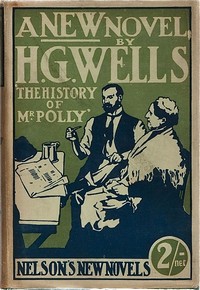
by HG WellsThe History of Mr. Polly by H. G. Wells is a novel written during the late 19th century. The narrative follows Mr. Polly, a discontented and introspective man plagued by personal dissatisfaction, as he grapples with the mundanity of his existence, his unremarkable career in outfitting, and the burdens of both his relationships and society's expectations. | Howard's End (1910)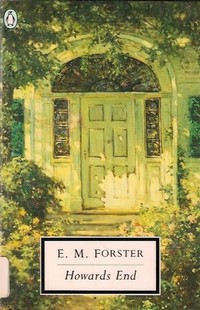
by EM ForsterThe book is about three families in England at the beginning of the 20th century: the Wilcoxes, rich capitalists with a fortune made in the Colonies; the half-German Schlegel siblings (Margaret, Tibby, and Helen), who have much in common with the real-life Bloomsbury Group; and the Basts, a struggling couple in the lower-middle class. The Schlegel sisters try to help the poor Basts and try to make the Wilcoxes less prejudiced. | The Innocents: A Story for Lovers (1917)
by Sinclair LewisThe Innocents: A Story for Lovers by Sinclair Lewis is a novel written in the early 20th century. The narrative revolves around Mr. and Mrs. Seth Appleby, an aging couple who reminisce about their youthful love while embarking on an attempt to start a new life managing a tea-room on Cape Cod. |
The Job (1917)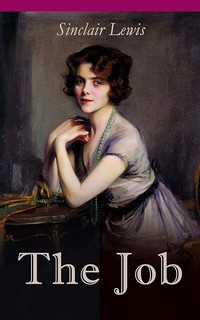
by Sinclair LewisThe Job is an early work by American novelist Sinclair Lewis. It is considered an early declaration of the rights of working women. The focus is on the main character, Una Golden, desire to establish herself in a legitimate occupation while balancing the eventual need for marriage. The story takes place in the early 1900-1920s and takes Una from a small Pennsylvania town to New York. Forced to work due to family illness, Una shows a talent for the traditional male bastion of commercial real estate and, while valued by her company, she struggles to achieve the same status of her male coworkers. | The Lone Star Ranger (1915)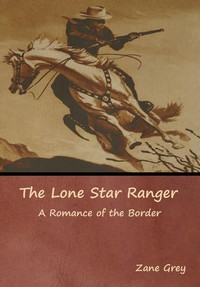
by Zane GreyThe book takes place in Texas, the Lone Star State, and several main characters are Texas Rangers, a famous band of highly capable law enforcement officers. It follows the life of Buck Duane, a man who becomes an outlaw and then redeems himself in the eyes of the law. | Magnificent Ambersons (1918)
by Booth TarkingtonThe novel and trilogy trace the growth of the United States through the declining fortunes of three generations of the aristocratic Amberson family in an upper-scale Indianapolis neighborhood, between the end of the Civil War and the early part of the 20th century, a period of rapid industrialization and socio-economic change in America. | The Melting of Molly (1912)
by Maria Thompson DaviessMolly is a quirky, spirited twenty-five-year old, widowed for 6 years, living in picturesque Hillsboro with her aunt amidst gossipy neighbors, on a strict diet, and in serious boy trouble. |
My Antonia (1918)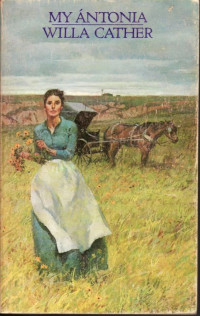
by Willa CatherThe narrative centers on the life and experiences of Ántonia Shimerda, a Bohemian girl who immigrates to Nebraska, and her connection to Jim Burden, the narrator who reminisces about their childhood and the struggles of immigrant life in a harsh landscape. Through Jim's eyes, the novel explores themes of nostalgia, nature, and the immigrant experience in America. | My Man Jeeves (1919)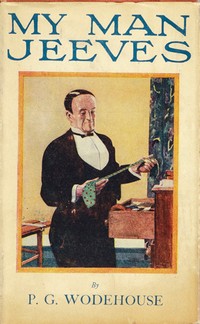
by P.G. WodehouseMy Man Jeeves by P. G. Wodehouse is a collection of humorous stories written during the early 20th century, specifically in the post-World War I era. The book introduces readers to the charming but inept Bertie Wooster and his supremely capable valet, Jeeves, who often saves the day from Bertie's well-meaning but misguided escapades. | O Pioneers! (1913)
by Willa CatherO Pioneers! tells the story of the Bergsons, a family of Swedish-American immigrants in the farm country near the fictional town of Hanover, Nebraska, at the turn of the 20th century. The main character, Alexandra Bergson, inherits the family farmland when her father dies, and she devotes her life to making the farm a viable enterprise at a time when many other immigrant families are giving up and leaving the prairie. | Our Mr Wrenn (1914)
by Sinclair LewisMr. Wrenn, an employee of a novelty company quits his job after inheriting a fortune from his father. He decides to go traveling. |
Penrod (1914)
by Booth TarkingtonThe book follows the misadventures of Penrod Schofield, an eleven-year-old boy growing up in the pre-World War I Midwestern United States, in a similar vein to The Adventures of Tom Sawyer. | Riders of the Purple Sage (1912)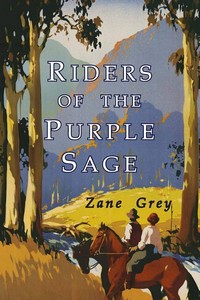
by Zane GreyRiders of the Purple Sage by Zane Grey is a novel written in the early 20th century. Set against the rugged backdrop of southern Utah, the story revolves around themes of love, conflict, and the struggle between different communities, particularly the Mormons and Gentiles. Central to the narrative is Jane Withersteen, a strong-willed woman who grapples with her societal role while navigating her feelings for two men: her loyal rider, Venters, and a mysterious gunman named Lassiter. | The Secret Garden (1911)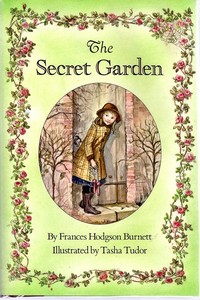
by Frances Hodgson BurnettThe Secret Garden is a novel by Frances Hodgson Burnett. It was initially published in serial format starting in the autumn of 1910, and was first published in its entirety in 1911. It is now one of Burnett's most popular novels, and is considered to be a classic of English children's literature. Mary Lennox is a sour-faced 10-year-old girl, who is born in India to selfish wealthy British parents who had not wanted her and were too wrapped up in their own lives. | Seventeen (1916)
by Booth Tarkingtona humorous novel by Booth Tarkington that gently satirizes first love, in the person of a callow 17-year-old, William Sylvanus Baxter. Seventeen takes place in a small city in the Midwestern United States shortly before World War I. |
Summer (1917)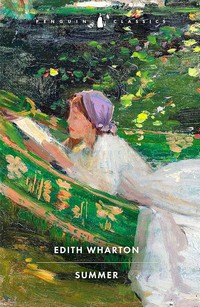
by Edith WhartonSummer by Edith Wharton is a novel written during the early 20th century, around the time of World War I. The story centers around Charity Royall, a young woman who is deeply aware of her isolated and confined life in the small, bleak village of North Dormer. The narrative begins to unfold Charity's inner turmoil and desire for a more vibrant existence as she grapples with her origins and current situation, leading her to confront the mundane realities of life, personal aspirations, and the stark contrast presented by a new stranger in her town. | The Turmoil (1915)
by Booth TarkingtonThe Turmoil tells the intertwined stories of the Sheridans, whose integrity wanes as their wealth increases, and the Vertrees, who remain noble but impoverished. | Winesburg, Ohio (1919)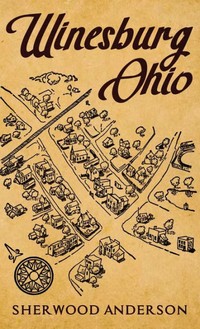
by Sherwood AndersonWinesburg, Ohio begins with a sort of prologue, in which an old writer imagines all the people he has known as grotesques, warped in their pursuits of various truths. A series of stories ensues, each concerned with a single resident of Winesburg. | The Winning of Barbara Worth (1911)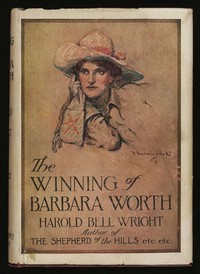
by Harold Bell WrightThe Winning of Barbara Worth is a book about the development of Imperial County California and its reclamation from desert to farmland. |